(Part 1) Long-Term EEG Setup Appointment - What to expect

Updated: Sep 12
If you have recently been scheduled for a long-term EEG or ambulatory EEG at home, you are probably wondering what the process looks like and how to prepare. Let's talk about it!
At West Wave Neuro, we specialize in in-home EEG monitoring designed to make the process simple, comfortable, and built around your daily life rather than requiring a hospital stay.
This guide will walk you through exactly what to expect from start to finish so you feel confident going into your appointment.
Before Your Appointment
Once your referral is received, our team will process it and reach out to schedule your EEG appointment.
After your appointment is confirmed, your new patient forms will be sent electronically. You can complete everything from home at your convenience.
This allows our team to review your medical history, symptoms, and testing needs ahead of time so your visit is efficient and personalized.
What should you wear for your set up appointment!?
We suggest wearing something light weight and easy to pull over the headwrap and equipment!
A zip up jacket
Light T shirt
Something with a loose or wide neck so you can easily pull it over your head
You will want to change during your study so loose clothes is best! Please call us if you have questions!
How long does it take at the first visit?
Your EEG setup appointment typically takes about 1- 1.5 hours.
This can be done at:
our office
your home
or in a care facility
or other location where you can remain during the study.
What happens at the set up visit?

During your visit, an EEG technologist will place small electrodes on your scalp to record brain activity and secure the equipment for long-term wear. This is done with lightweight colored gauze of your choice!
You will be guided through exactly what to expect during your study and how everything works.

Long-term EEG monitoring is non invasive and painless, and most patients find the setup process very manageable. There is very little that the patient has to do them selves, the rest is handled by our team remotely. You set up by plugging the power cord into the wall at home, get in the view of the camera and we take it from there!
What You Will Be Taught Before You Leave
Before your study begins, we make sure you feel completely comfortable managing your equipment.
You will be shown how to use the event button if you experience symptoms such as dizziness, unusual sensations, or episodes. This marks the exact moment on your recording so it can be reviewed later.
You will also learn how to complete your written EEG log. This includes tracking daily activities, sleep, and any symptoms you experience. This information is extremely important in helping your provider understand what is happening during your study.
If your study includes a camera, you will be instructed on when to remain in view and how it supports your recording.
At Home During Your Study (see part 2)
Once your setup is complete, you will return home or remain in your current setting and continue your study.
You will receive clear instructions on how to manage the equipment.
It is important to stay plugged into the main unit as much as possible and remain in view of the camera when instructed so our team can do their job. Aside from that, you should continue your normal daily routine as much as possible.
This is one of the biggest benefits of an at home EEG. It allows us to capture brain activity in your real environment rather than an artificial setting.
How Long-Term EEG Monitoring Works
A long-term EEG records your brain activity over an extended period of time, often 24 to 72 hours or longer. This allows us to capture events or symptoms that may not happen during a short test.
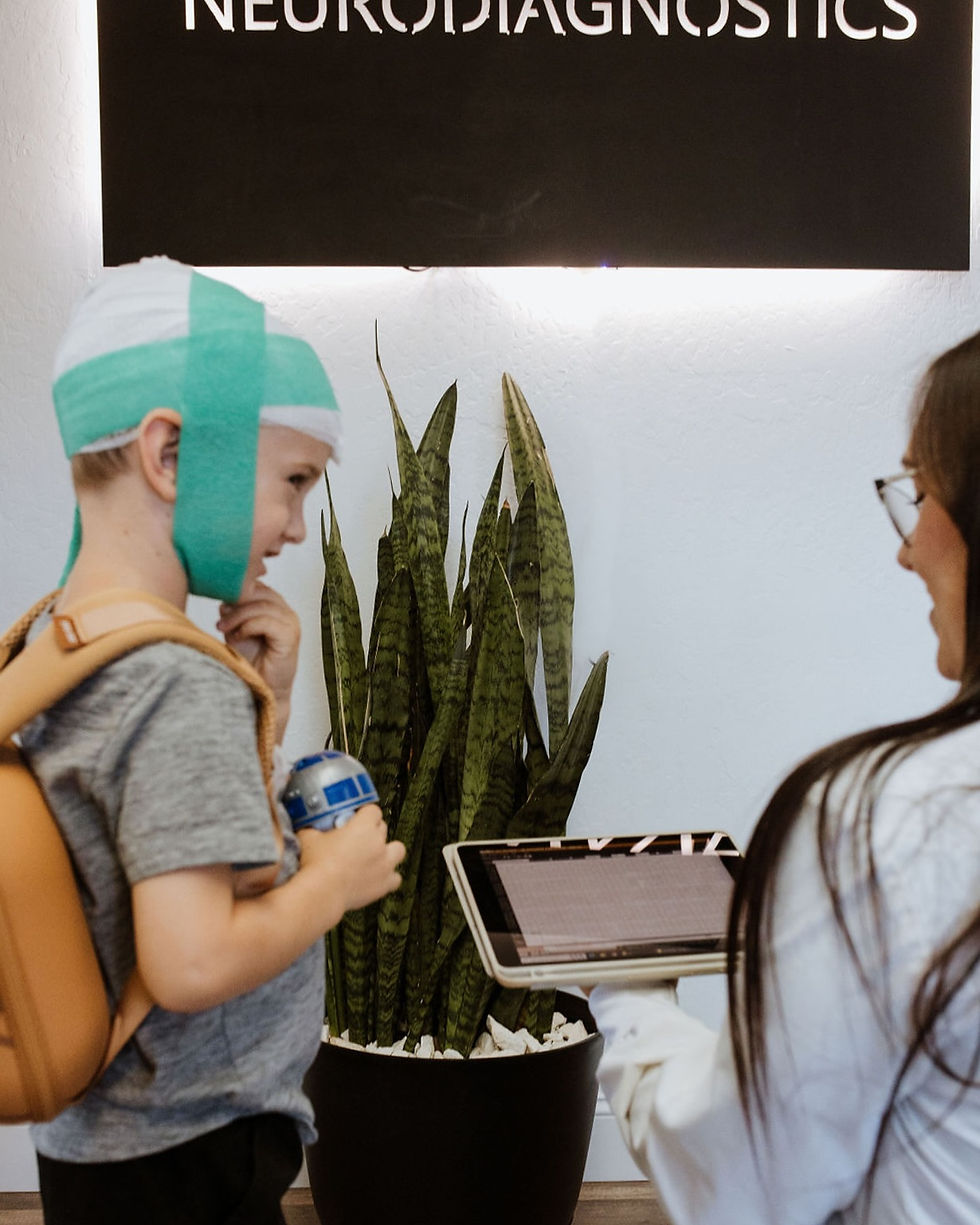
You will leave your appointment with a portable EEG system, typically worn in a small backpack or carrying case.
The equipment is fully self contained and has its own internet connection, allowing continuous recording without interruption. TO learn more, check out this blog or contact us for additional questions
Why Patients Choose At Home EEG Monitoring
More patients are choosing ambulatory EEG because it allows them to stay comfortable in their own environment while still receiving high quality diagnostic care.
It provides a more accurate picture of what is happening during your normal day to day life, including sleep and routine activities.
Next up, Part two!
West Wave Neuro
A long-term EEG may feel unfamiliar at first, but most patients adjust quickly within the first day.
Our goal is to make the process simple, supportive, and convenient while helping your provider get th
e answers they need.
If you have any questions before your appointment, our team is always here to help.
West Wave Neuro In Home EEG and Concierge Neurodiagnostic Services!
Comments